
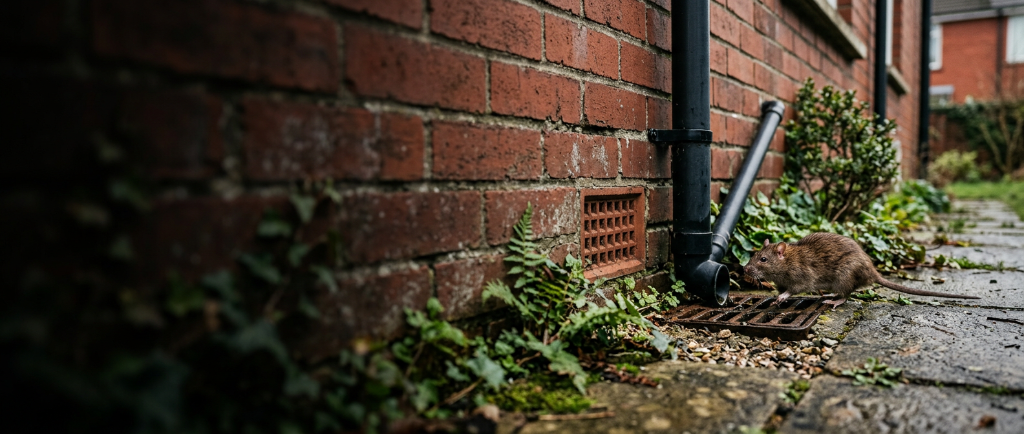
Rat infestations are one of the most stressful pest problems a homeowner can face. Rats are fast, cautious, adaptable and often active when you are not around. By the time you see one in your kitchen, garden, loft or garage, there may already be a wider rodent infestation developing nearby.
For homeowners across Cardiff and South Wales, rat activity can be especially common around older properties, terraced housing, drains, gardens, sheds, food waste areas, commercial premises and buildings close to watercourses or busy urban environments.
This guide explains the most common rat infestation signs UK homeowners should look for, what attracts rats, the risks they create, how to prevent them and when to call Pest & Property Solutions for professional rat pest control in Cardiff and South Wales.
Quick Summary: Key Rat Infestation Signs To Look For
- Rat droppings, usually dark, pellet-shaped and larger than mouse droppings
- Scratching, scurrying or gnawing noises in walls, ceilings, floors or loft spaces
- Greasy smear marks along skirting boards, pipes, walls or entry points
- Gnaw marks on wood, plastic, cables, pipework, food packaging or insulation
- Nests made from shredded paper, fabric, loft insulation or soft materials
- Strong ammonia-like smells caused by rat urine
- Holes, burrows or disturbed soil around gardens, sheds, decking or drains
- Damaged food packaging or pet food containers
- Rat sightings, especially around kitchens, bins, gardens or lofts
- Unusual pet behaviour, such as dogs or cats focusing on specific walls, cupboards or floor areas
If you notice more than one of these signs, arrange a professional inspection before the problem spreads.
What Attracts Rats To Homes?
Rats enter properties because they are looking for three things: food, water and shelter. Once they find a reliable source, they can return regularly and may nest nearby.
Food Waste And Poorly Secured Bins
Overflowing bins, loose bin bags, uncovered food recycling caddies and waste left near back doors can quickly become a feeding source. In Cardiff and South Wales, properties with rear lanes, shared bin areas or communal waste storage can be particularly vulnerable.
Gaps Around Pipes, Drains And Brickwork
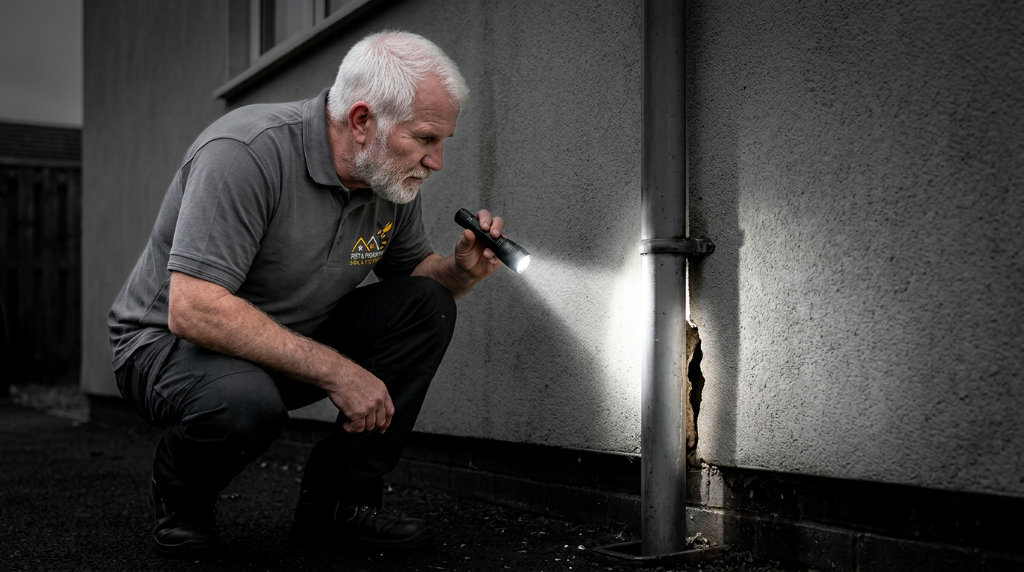
Rats can squeeze through small gaps. Cracked air bricks, broken drain covers, gaps around pipework, damaged vents and holes in external walls can all provide entry points. Older housing stock, extensions, converted lofts and poorly maintained drainage systems can create hidden access routes.
Warm Loft Spaces And Wall Cavities
During colder months, rats often move indoors in search of warmth and shelter. Loft spaces are a common nesting area because they are quiet, insulated and rarely disturbed. If you hear scratching above your ceiling at night, there may be rats in the loft.
Gardens, Decking And Sheds
Overgrown gardens, compost heaps, decking voids, timber piles, sheds and garages can provide excellent harbourage. Once rats become comfortable around the outside of a property, they may begin exploring entry points into the building.
Nearby Commercial Activity
Homes near restaurants, takeaways, food businesses, warehouses, student accommodation or high-footfall urban areas may experience higher rodent pressure due to increased waste and food availability.
Common Signs Of Rat Infestations
Knowing the early warning signs is essential. Rats are nocturnal, cautious and often avoid open spaces, so you may notice evidence before you see the animal itself.
Rat Droppings
Rat droppings are one of the clearest signs of a rodent infestation. In the UK, rat droppings are typically dark brown or black, capsule-shaped and larger than mouse droppings. Rats can leave up to 40 droppings in one night. Check kitchens, cupboards, behind appliances, under sinks, loft spaces, garages, utility rooms, boiler cupboards, around bins, along skirting boards and behind stored boxes. Fresh droppings may appear darker and slightly soft. Older droppings tend to become dry, dull and crumbly. Avoid touching droppings with bare hands.
Scratching Or Scurrying Noises
One of the most common signs of rats in a house is noise at night. Rats are usually most active after dark, so homeowners often hear them when the property is quiet. You may hear scratching in walls, scurrying above ceilings, gnawing sounds, movement under floorboards or activity behind kitchen units. Rats in loft spaces can sound surprisingly loud because the noise travels through joists, plasterboard and insulation.
Rats In Loft Spaces
Rats in loft areas are a serious warning sign. Lofts provide warmth, cover and nesting materials. They may enter through broken roof tiles, gaps around fascias, climbing plants, pipe routes or internal wall cavities. Common signs include droppings on insulation, tunnels through insulation, scratching noises at night, shredded insulation or cardboard, strong urine smells, gnaw marks on timber or cables and nesting material in corners or eaves. If you suspect rats in your loft, avoid moving insulation around without protection, rat urine and droppings can pose hygiene risks.
Gnaw Marks
Rats need to gnaw to control their continuously growing incisor teeth. Gnawing marks can appear on electrical cables, woodwork, plastic, brick and lead pipes, as well as on torn bags of food and stored materials. Look for gnawing on skirting boards, door frames, kitchen kickboards, plastic bins, food containers, pipes, loft timbers, electrical cables and garage storage boxes. Fresh gnaw marks may look lighter in colour, while older marks may darken over time.
Greasy Smear Marks
Smear marks are a greasy residue left on walls and skirting boards as rats repeatedly use the same routes to travel between their nest and food sources, rubbing their fur against surfaces along the way. These marks are often found along skirting boards, around holes in walls, beside pipework, along floor edges, near cupboards and around drain access points.
Strong Ammonia Smell
A strong, unpleasant ammonia-like smell can indicate rat urine. This is more noticeable in confined areas such as lofts, cupboards, garages and underfloor voids. A musky smell may also be present during heavier infestations.
Nests And Shredded Materials
Rats build nests using soft, shredded materials. In homes, they may use loft insulation, paper, cardboard, fabric, plastic bags, upholstery or carpet fibres. Nests are usually hidden in quiet, dark areas.
Burrows In Gardens
Outdoor rat activity often appears as holes or burrows. These may be found around sheds, decking, compost bins, garden walls, tree roots, drains, patios, outbuildings, chicken coops or animal feed areas. Rat burrows are usually smooth-edged from regular use.
Damaged Food Packaging
Rats can chew through cardboard, plastic and thin packaging. If food packets in cupboards, pantries or garages appear torn or chewed, investigate carefully. Common targets include cereal, rice, pasta, pet food, bird seed, flour, biscuits and dried goods. Always dispose of food that may have been contaminated by rats.
Pet Behaviour
Dogs and cats may notice rat activity before humans do. If your pet is repeatedly sniffing, scratching or staring at a particular cupboard, wall, floorboard or appliance, it may be reacting to movement or scent. This is not proof on its own, but it can be a useful early clue when combined with other signs.
Why Early Action Matters
Rat infestations can grow quickly when food, shelter and quiet nesting areas are available. One breeding pair of rats may have around eight kittens in a litter on average and could have two litters in two months if environmental conditions are favourable.
Health Risks Linked To Rat Infestations
Rats are not just unpleasant. They can create genuine health and hygiene risks.
Property Damage Risks
Electrical Damage
Rats chewing cables can create serious safety issues. Damaged wiring may increase the risk of power failure, short circuits or fire.
Insulation Damage
Rats in loft spaces often tunnel through insulation, compress it or contaminate it with urine and droppings, reducing hygiene and performance.
Structural & Cosmetic Damage
Rats can damage timber, plasterboard, pipe boxing, skirting boards, kitchen units, doors, underfloor areas, stored furniture and garage contents.
Drainage Problems
Rats often use defective drains and sewer systems as travel routes. If rats keep returning despite treatment, a drainage inspection may be needed.
Prevention Tips For Homeowners
When To Call Professional Rat Pest Control
You should call a professional pest control company if:
- You find rat droppings inside your home
- You hear scratching in walls, ceilings or loft spaces
- You see rats during the daytime
- There are signs of gnawing on cables or timber
- You suspect rats are entering through drains
- You have repeated infestations
- You run a food, hospitality, rental or commercial premises
- You are unsure whether the problem is rats or mice
Professional rat pest control involves more than placing bait. A proper service should include inspection, identification, treatment, monitoring, proofing advice and prevention recommendations.
For serious infestations, our emergency pest control team is available fast.
Frequently Asked Questions
What are the first signs of a rat infestation?
The first signs of a rat infestation are usually droppings, scratching noises, greasy smear marks, gnaw marks, damaged food packaging or unusual smells. You may notice these signs before you see a live rat.
What do rat droppings look like in the UK?
Rat droppings are usually dark, capsule-shaped and larger than mouse droppings. They are commonly found near food sources, along walls, under sinks, in lofts, garages and behind appliances.
Are scratching noises in the loft always rats?
Not always. Scratching in the loft could be rats, mice, birds, squirrels or other wildlife. However, if the noise happens mostly at night and is combined with droppings, gnawing or urine smells, rats may be the cause.
Are rats dangerous in the home?
Yes, rats can create health and property risks. They can contaminate food and surfaces, damage insulation, chew cables and spread bacteria through urine and droppings.
Can I get rid of rats myself?
DIY methods may help with a minor issue, but they often fail to address the root cause. If rats are inside your home, loft, walls or drains, professional pest control is recommended.
Why do rats keep coming back?
Rats often return when food sources, entry points or nesting areas have not been removed. Recurring infestations may also be linked to drains, gaps in the building or nearby waste issues.
How do rats get into houses?
Rats can enter through gaps around pipes, damaged air bricks, broken vents, drains, roofline gaps, wall cavities, open doors, garages and damaged brickwork.
When should I call pest control for rats?
Call pest control as soon as you find droppings, hear repeated scratching, see gnaw marks, spot a rat indoors or suspect activity in your loft, kitchen, garage or garden.
Do Pest & Property Solutions cover rat pest control in Cardiff?
Yes. Pest & Property Solutions provides rat pest control in Cardiff and across South Wales for homeowners, landlords and commercial premises.
Act Quickly If You Notice Rat Infestation Signs
Rat problems rarely disappear on their own. If rats have found food, warmth or shelter in your property, they are likely to keep returning until the source of the infestation is properly identified and treated.
![[Professional headshot of Gareth Davies, branded uniform, plain or on-site background]](https://media.base44.com/images/public/6a030ac59700caa462b5b7c5/a28541072_gareth-caricature-rat-rifle-solid-black-bg.png)
Author
Gareth Davies
Owner of Pest & Property Solutions
Gareth owns and runs Pest & Property Solutions. He sets the service standards, leads on inspections and complex jobs, and makes sure every customer gets practical, honest advice.
Expertise: Rodent control, Commercial pest control, Drain surveys and RatGate systems, Property inspections, Prevention and proofing
View full profile