
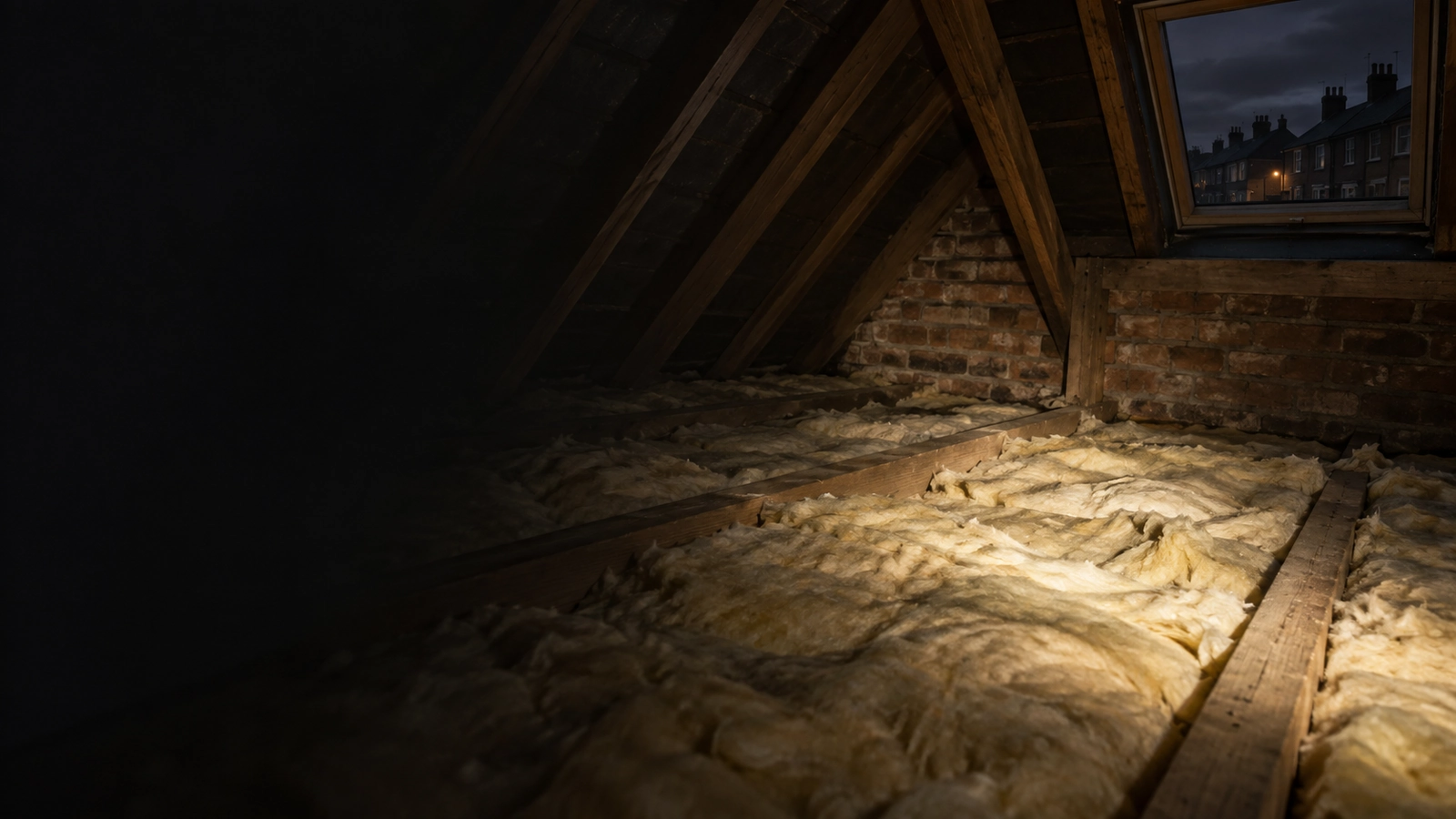
Scratching in the loft at night is most often rats or mice, which are nocturnal. Fast scurrying at dusk and dawn suggests squirrels; daytime flapping or cooing suggests birds. Rats make slower, heavier dragging and gnawing sounds. The time of day, the weight of the sound and any droppings found will identify the culprit.
It is 2am and it has started again: a scratch, a scuttle, something moving above the bedroom ceiling. By the third night you are lying awake waiting for it, and imagination fills in the gaps in the dark.
Here is the reassuring part: loft noises follow patterns, and those patterns identify the animal with surprising accuracy before anyone even lifts the hatch. Getting the identification right matters, because the treatment for rats is completely different from the response to squirrels or nesting birds, and one of those options is protected by law.
This guide walks through what each animal sounds like, when it is active, what you will find in the loft, and the point at which it stops being a DIY check and becomes a professional job.
What is making the noise? Identify it by sound and time
Answer first: match the sound and the clock, and you are usually one confirmation away from knowing.
| Sound | Time | Most likely | Other clues |
|---|---|---|---|
| Slow scratching, dragging, persistent gnawing | Night, often after midnight | Rats | Droppings 1 to 2cm, greasy smears, strong ammonia smell |
| Light, fast scratching and skittering | Night | Mice | Small rice-grain droppings, gnawed cables or packaging |
| Heavy, fast scurrying, sounds like a chase | Dusk and dawn | Grey squirrels | Stripped bark on timbers, shredded insulation balls, daytime activity |
| Flapping, cooing, repetitive shuffling in one spot | Daytime | Birds (often pigeons or gulls) | Nesting material at eaves or under solar panels, fouling |
| Faint rustling, occasional buzzing | Warm afternoons | Wasps or bees | A steady insect flight line to one point on the roof |
Two details do most of the identification work. First, weight: a rat crossing a ceiling sounds like something is up there, while mice are so light most people describe scratching rather than footsteps. Second, timing: rats and mice are nocturnal, squirrels keep office hours around dawn and dusk, and birds are strictly daytime.
Why lofts, and why now?
From September onwards, falling night temperatures push rodents indoors, and South Wales gives them a head start: our mild, wet autumns keep rats active and breeding later into the year than colder parts of the UK. Homes near fields, railway embankments and watercourses, which describes most of the Valleys, see it first.
Lofts are the perfect harbourage: warm, undisturbed, and in most modern retrofits, lined with 270mm of insulation that hides runs, nests and droppings completely. In period homes the original eaves were never sealed, and a gap of 15mm is a doorway for a mouse; rats need little more than a 25mm opening or one failed mortar joint.
The cheapest infestation is the one that never starts. Our winter guide covers keeping rodents out this winter, from eaves and airbricks to the checks worth making before the first cold snap.
Is it doing any damage?
Calmly stated: yes, potentially, and this is the real reason to act rather than learn to sleep through it. Rodents gnaw constantly to manage their teeth, and loft timbers, stored belongings and cable insulation are all fair game. Gnawed cables are the serious one, as damaged wiring is a recognised fire risk. Rats also foul insulation, and their urine and droppings can carry bacteria including leptospirosis; the NHS notes infection routes via contact with rodent urine. None of this is panic material, but it is why a loft problem left over winter costs more than the same problem dealt with in September.
Squirrels, for the record, out-gnaw rats and can do remarkable damage to timbers and stored items in a short stay. And if the noise turns out to be birds, stop there: all wild birds, their active nests and eggs are protected under the Wildlife and Countryside Act 1981. Proofing a roof against birds is legal and is exactly what our bird control service does; disturbing an active nest is not.
What to check yourself (safely)
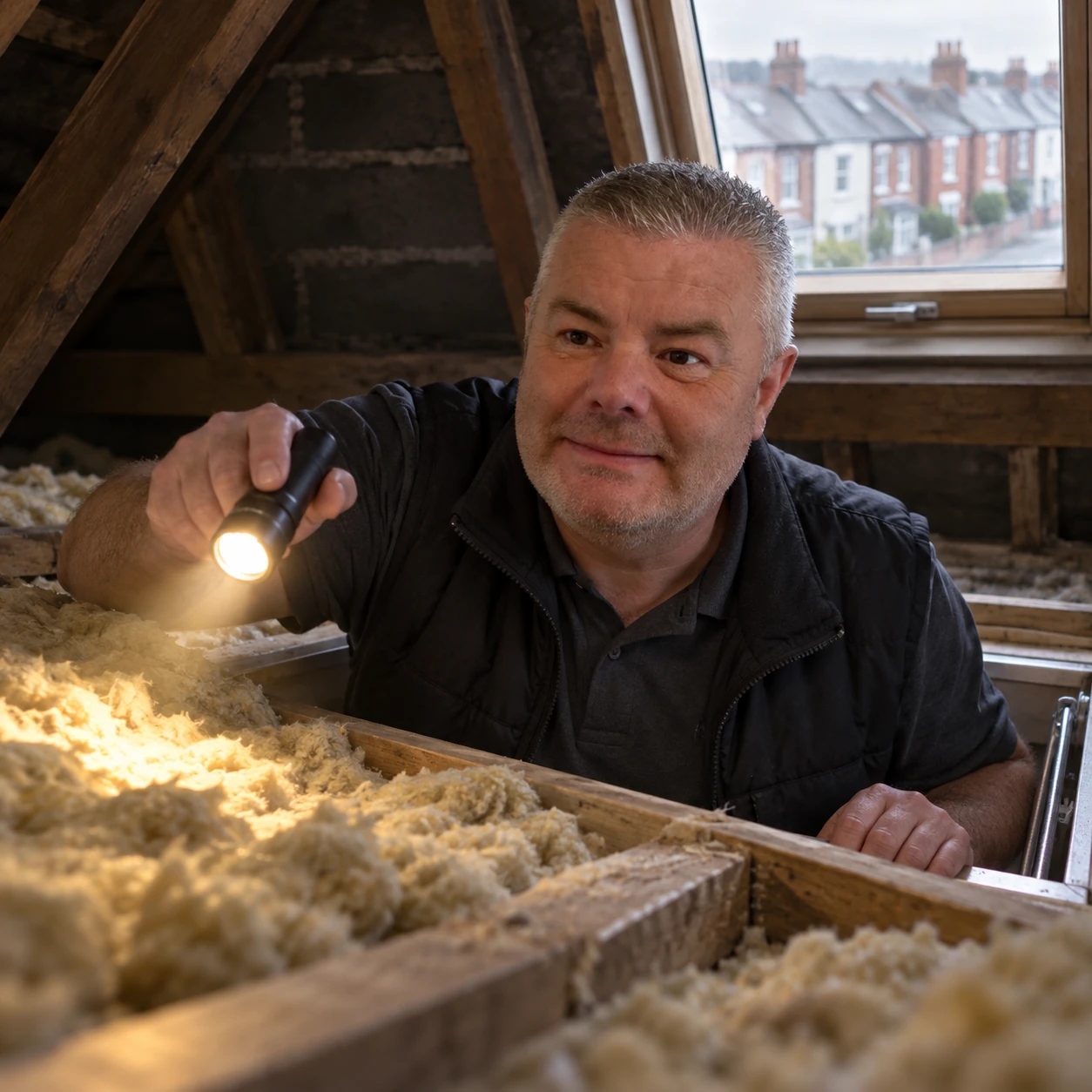
A daytime loft check is a reasonable DIY step if the loft is boarded and you are steady on the ladder. Take a torch and look for: droppings (size tells you rat versus mouse), disturbed or tunnelled insulation, gnaw marks on timber and cables, shredded material gathered into a nest, smear marks along joists, and daylight showing at the eaves. Do not handle droppings bare-handed, and do not put down poison in the loft on spec: open baiting risks non-target wildlife and pets, and rodenticide use is governed by a strict UK stewardship code for good reason. If you find droppings and want a definitive answer, this is the moment to book an inspection rather than a bait station.
If you want a proper reference before you go up, our full list of rat infestation signs covers droppings, smear marks, gnaw damage and smells in detail.
And if the loft turns out to be clear, the habits that keep it that way are worth applying all year: our guide to year-round pest prevention covers the whole property, season by season.
Warning signs it is beyond a look around
- Noises in more than one area of the ceiling, or on more than one floor
- Droppings of two different sizes (a mixed infestation is common)
- Any gnawed cable or junction box
- A smell of ammonia in the loft or landing
- Noise continuing for more than a week despite shop-bought traps
When to call a professional
If any warning sign above applies, or the noise is nightly, the honest answer is that traps from the DIY shop rarely end a loft infestation, because they treat the symptom and not the entry route. A professional survey identifies the species, finds the entry points (in our experience the same handful of gaps come up again and again on similar housing stock), treats the infestation in line with the CRRU stewardship code, and proofs the routes so it does not repeat next autumn. Pest & Property Solutions runs full loft infestation services across South Wales, from survey through treatment to insulation replacement and disinfection where fouling is heavy.
Key takeaways
- Time and weight of sound identify most loft noises: rats and mice at night, squirrels at dawn and dusk, birds by day
- Most "squirrel" reports our team surveys in the Valleys turn out to be rats
- September is when ingress starts; mild wet South Wales autumns extend the season
- Never disturb nesting birds; they are legally protected, and proofing is the lawful route
- Gnawed cables are the risk that makes loft noise worth acting on quickly
Frequently Asked Questions
What is making scratching noises in my loft at night?
At night the most likely culprits are rats or mice, both nocturnal. Rats sound heavier, with slow dragging and gnawing; mice make light, fast scratching. Scurrying concentrated at dusk and dawn points to squirrels instead, and daytime flapping or cooing means birds.
Do rats in the loft mean my house is dirty?
No. Rats enter lofts for warmth and shelter, not food, and autumn ingress affects well-kept homes across South Wales every year. Proximity to fields, watercourses or railway lines, and the age of the building, matter far more than housekeeping.
Will rats in the loft go away on their own?
Rarely. A loft that is warm, quiet and undisturbed is exactly what rats want for winter, and they breed quickly once established. Noise that has persisted more than a week, or returns each night, almost always needs the entry points found and sealed.
How much does it cost to get rid of rats in the loft?
It depends on how established the infestation is, how many entry points need proofing, and whether fouled insulation needs removing. A typical domestic rat treatment in South Wales involves two to three visits. We survey first and give you a fixed quote before any work starts.
Ready to find out what is actually up there? Book a loft inspection with our local team and get a same-week answer, anywhere from Cardiff to the Valleys.
![[Professional headshot of Gareth Davies, branded uniform, plain or on-site background]](https://media.base44.com/images/public/6a030ac59700caa462b5b7c5/a28541072_gareth-caricature-rat-rifle-solid-black-bg.png)
Author
Gareth Davies
Owner of Pest & Property Solutions
Gareth owns and runs Pest & Property Solutions. He sets the service standards, leads on inspections and complex jobs, and makes sure every customer gets practical, honest advice.
Expertise: Rodent control, Commercial pest control, Drain surveys and RatGate systems, Property inspections, Prevention and proofing
View full profile